
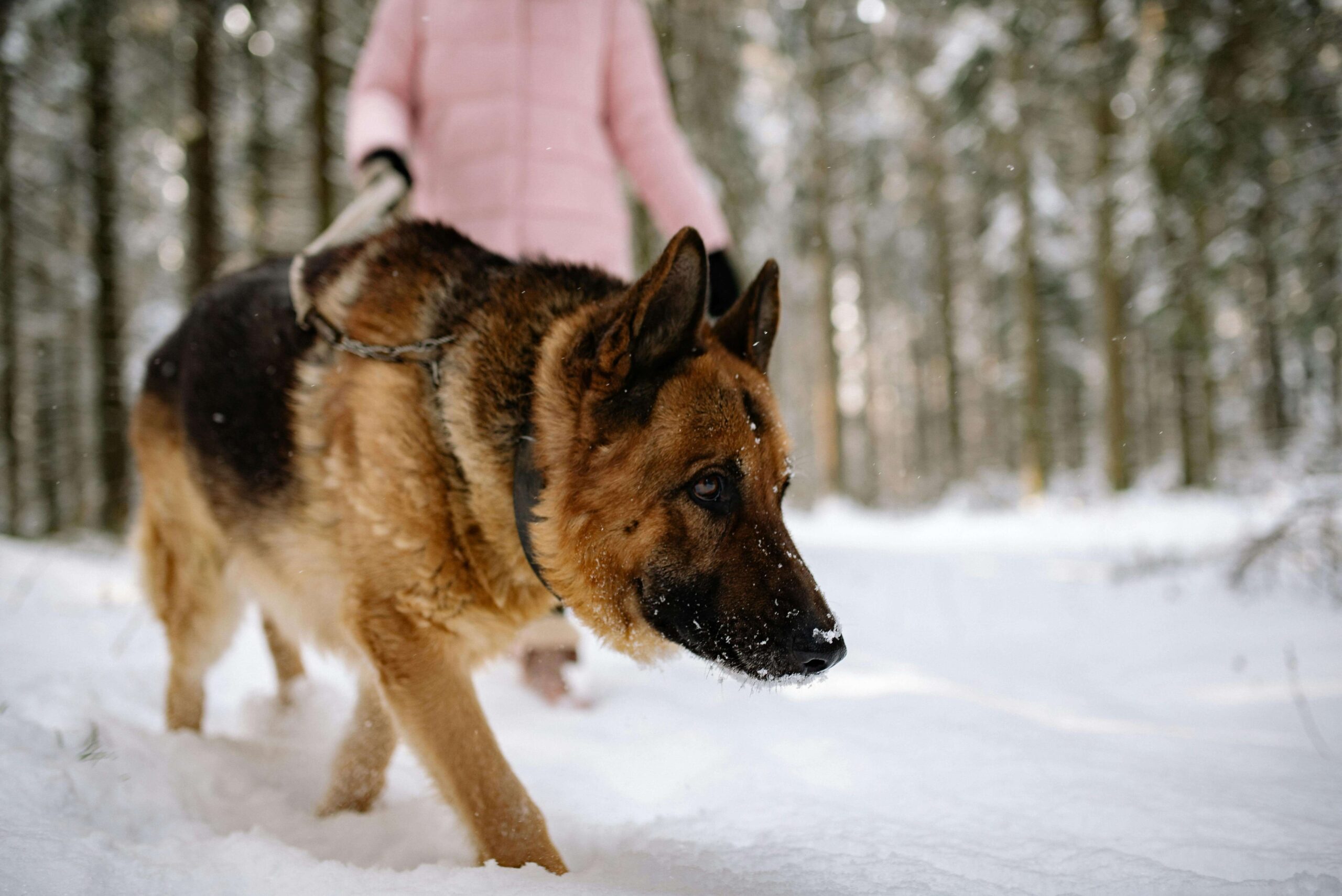
Does your dog lunge, bark, or growl at other dogs, people, or even squirrels during walks? You’re not alone. Leash reactivity is one of the most common challenges pet parents face, turning what should be a peaceful stroll into a stressful tug-of-war. But here’s the good news: with the right approach, your dog can learn to walk calmly and confidently.
At TailMates Pet Services LLC, we’ve worked with countless pups throughout Landenberg, Kennett Square, Avondale, West Grove, and Oxford, PA, helping their humans transform chaotic walks into enjoyable bonding time. Read on for practical, vet- and trainer-approved tips on managing and reducing leash reactivity.
What Is Leash Reactivity?
Leash reactivity is when a dog overreacts to stimuli—like another dog, person, or vehicle—while on a leash. This behavior might include barking, growling, lunging, or freezing. While it might look like aggression, it’s often a result of fear, frustration, or a lack of proper socialization.
Understanding your dog’s triggers is the first step in creating a calmer, more predictable walking experience.
Top Tips to Reduce Leash Reactivity
1. Start with the Right Gear
A sturdy no-pull harness and a 4–6 ft. leash offer more control and prevent choking or added stress. Avoid retractable leashes—they give less control and often make reactivity worse.
2. Choose Low-Distraction Walking Routes
Stick to quiet streets or trails in Landenberg or West Grove to minimize triggers while training. Avoid crowded parks until your dog gains more confidence.
3. Keep a Safe Distance
If your dog reacts to other dogs, keep enough distance so they notice but don’t get overwhelmed. This is called “threshold training.” Gradually decrease the distance as they stay calm.
4. Use High-Value Treats
Reward calm behavior consistently. Carry irresistible snacks like chicken or cheese, and praise your dog when they make eye contact with you instead of reacting.
5. Practice “Look at Me” or “Watch Me”
Train your dog to focus on you with commands like “Look” or “Watch Me.” This redirection breaks the reactive cycle and helps reinforce calm attention.
6. Avoid Punishment
Yelling or yanking the leash can worsen anxiety and reactivity. Stay calm and positive—even when your dog isn’t. Patience pays off.
7. Hire a Professional Dog Walker or Trainer
If progress feels slow, you’re not alone. Our experienced pet professionals at TailMates provide positive-reinforcement-based walking routines and can guide you toward long-term behavioral improvement.
Why It Matters
Reducing leash reactivity is more than just making walks easier—it improves your dog’s mental health, deepens your bond, and keeps both of you safe. With a consistent routine, supportive environment, and the right care partners, your dog can learn to walk with confidence.
At TailMates Pet Services LLC, we’re more than just walkers—we’re your dog’s teammates. Whether it’s a high-energy pup or a reactive rescue, we provide personalized, loving care you can count on.
Ready for Calmer Walks?
If your walks feel more like battles, let TailMates help you turn things around. Our reliable, local pet care team proudly serves Landenberg, Kennett Square, Avondale, West Grove, and Oxford, PA with top-notch dog walking, behavior support, and more.
👉 Book today using our quick form: https://forms.gle/Qak4HtySDgUANm4U6
Stay Connected with TailMates
🐾 Follow us for pet care tips, behind-the-scenes updates, and happy tails:
📲 Follow us on Facebook & Instagram
🌐 Visit our website for full services, testimonials, and online booking:
www.tailmatespa.com
Together, let’s walk the path to calmer, happier adventures—one paw at a time. 🐕💚